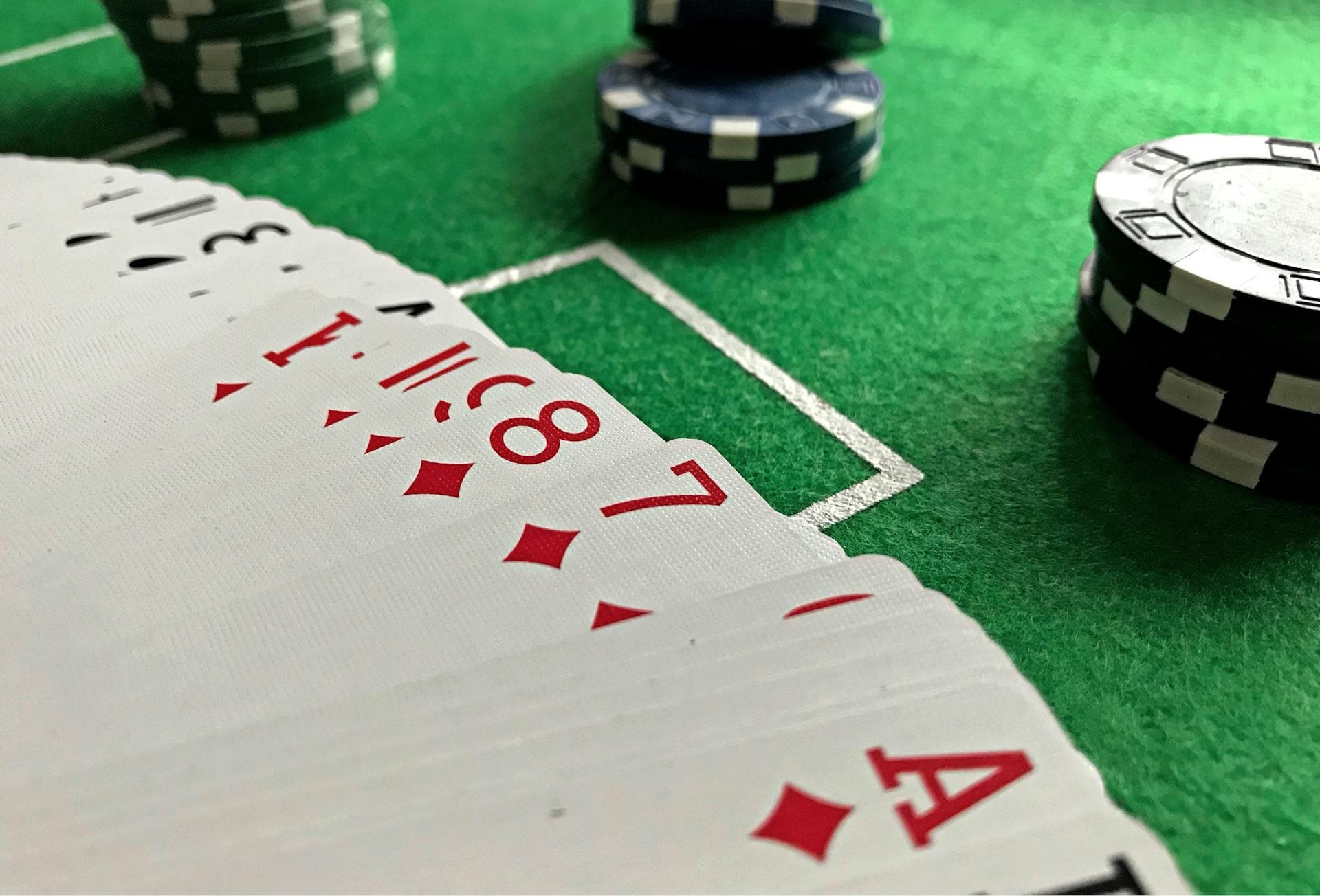
Navigating the All-One-Suit Board
Monotone flops — boards where all three cards share the same suit — are among the most misread textures in poker. They skew ranges, complicate equity calculations, and force players into decisions they rarely practice for. Coach and author Alex Fitzgerald has put together a concise, practical breakdown of how to adjust your approach when the dealer fans three cards of the same color.
Why Monotone Boards Demand a Rethink
Standard continuation-bet logic doesn't translate cleanly to monotone flops. The flush already being possible on the flop rather than the turn changes how both players in a hand should be thinking about their ranges. Nut-flush draws become extremely powerful, while top pair hands that would normally be strong can find themselves in surprisingly awkward spots against a polarized opponent.
Fitzgerald's four tips reportedly address:
- Range advantages — who benefits structurally from a monotone texture and why
- Bet-sizing adjustments — how sizing should shift compared to rainbow or two-tone boards
- Handling draws — distinguishing between strong and weak flush draws in terms of how aggressively to play them
- Opponent tendencies — common mistakes recreational players make on monotone flops that can be exploited
FeltIQ Takeaway
What makes monotone flop strategy particularly interesting is that it's one of the spots where solver output and human intuition tend to diverge most sharply. Many players either over-bluff (assuming the flush scare protects them) or under-bluff (fearing the flush too much). Fitzgerald's structured framework offers a useful mental checklist to bring some discipline to a spot that otherwise feels chaotic.
Whether you're playing cash or tournaments, building a clearer mental model for three-flush boards is the kind of fundamentals work that pays off in the long run.