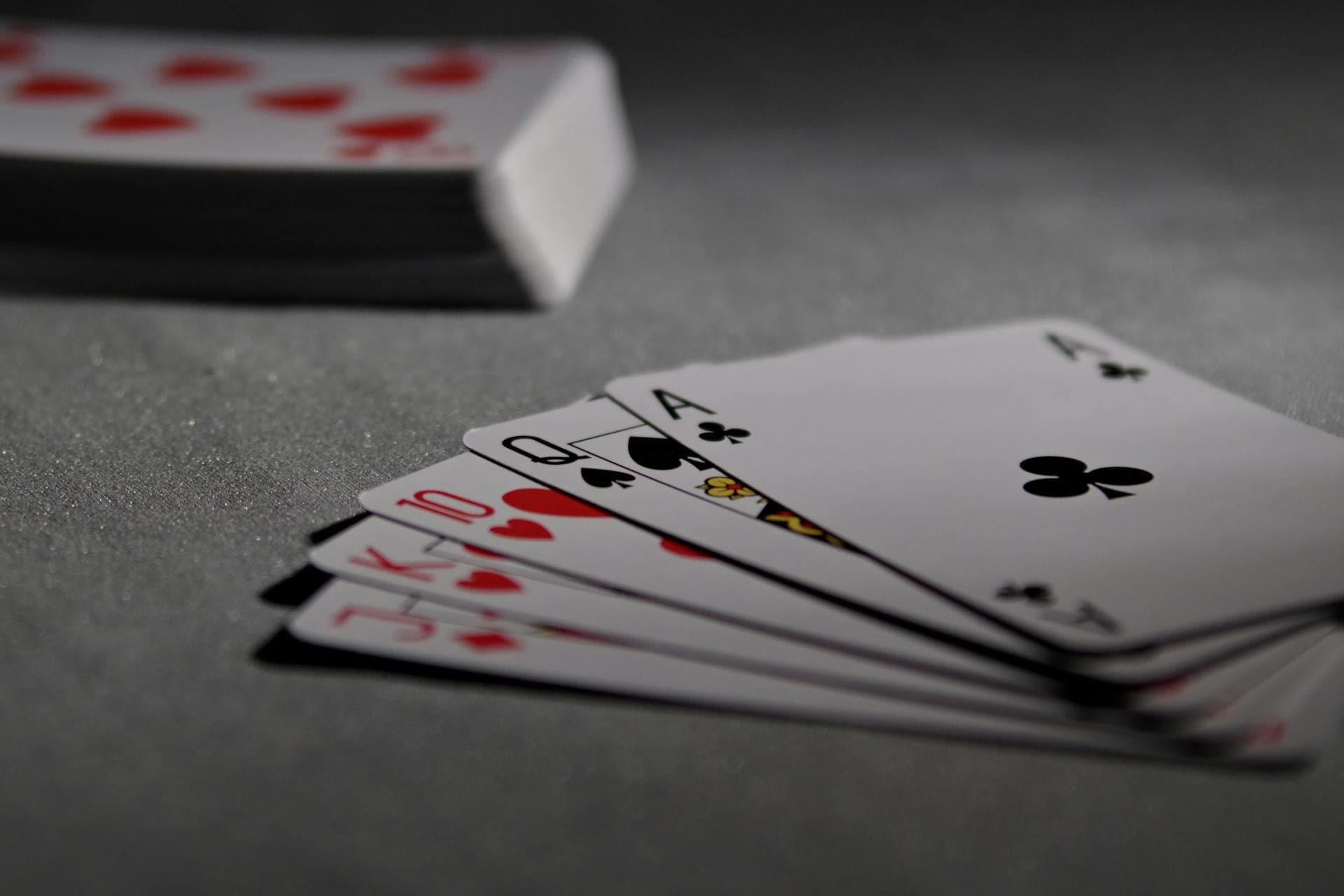
Staying Grounded at the Tables
Poker is as much a mental discipline as a strategic one — and coach Jason Su has turned his attention to one of the game's most underappreciated challenges: how players keep their psychological footing over the long run.
The Hidden Pressure of Professional Play
The grind of professional poker carries unique stressors — variance, isolation, the blurring of work and leisure — that can quietly erode a player's mental stability. Su investigates the factors that most commonly push players toward burnout or emotional dysregulation, and more importantly, what the most resilient players do differently.
What the Research-Backed Approach Looks Like
Su's work in this area draws on both his coaching experience and a broader understanding of performance psychology. A few themes emerge for players looking to build lasting mental durability:
- Separating results from identity — understanding that short-term outcomes are not a reflection of skill or worth.
- Structured routines — treating poker like a professional craft, with deliberate off-table recovery built in.
- Community and accountability — staying connected to peers who understand the unique pressures of the game.
- Honest self-assessment — recognising tilt triggers before they compound into larger problems.
Why This Matters Beyond the Elite
These insights aren't reserved for high-stakes regulars. Any serious recreational or semi-professional player faces similar psychological dynamics at their own level. The ability to manage mindset over a long session — or a long downswing — often separates players who improve from those who stall.
Su's perspective is a timely reminder that the real edge in modern poker is increasingly off the felt: in sleep, reflection, and self-awareness.